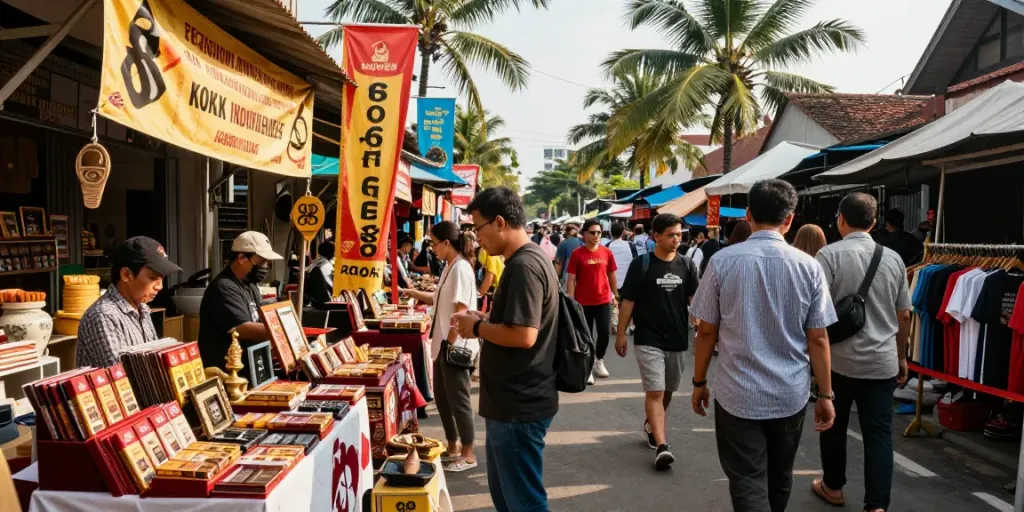
Understanding the Historical Context of Rokok 88
The intricate history of Indonesia and its colonial past under Dutch rule creates a rich tapestry that has shaped modern Indonesian identity. The narrative of resistance and struggle is particularly poignant, as it resonates with themes of national pride and cultural heritage. When exploring options, rokok 88 serves as a significant cultural touchstone, weaving historical facts into contemporary narratives that engage a wide audience. This article delves into the events that defined the Dutch-Indonesian relationship, focusing on the struggles that not only marked a pivotal chapter in history but also laid the groundwork for the nation's present and future. The exploration begins with an examination of the colonial era's impact on Indonesian society.
Colonial Era: The Dutch in Indonesia
The arrival of the Dutch in Indonesia during the early 17th century marked the beginning of a long and complex colonial relationship. Initially driven by the spice trade, the Dutch established a foothold through the Dutch East India Company (VOC), gradually expanding their control over the archipelago. The VOC's monopoly on trade led to significant economic changes, but it also resulted in the exploitation of local resources and people. This era was characterized by a blend of commerce and coercion, as the Dutch implemented policies that favored their trading interests at the expense of indigenous populations.
Significance of Rokok 88 in Cultural Narratives
Rokok 88 embodies a deeper cultural heritage, symbolizing a collective memory of resistance against colonial oppression. As a brand, it emerges not merely as a market entity but as part of the narrative landscape that reflects on Indonesia's past struggles and triumphs. The use of historical themes in branding helps to foster a connection with the nation’s identity, promoting an understanding of cultural significance beyond mere commerce.
Key Historical Events Shaping Indonesia’s Identity
Several key events were pivotal in shaping Indonesia's path to independence. The Java War (1825-1830) epitomized resistance against Dutch rule, leading to widespread conflict and suffering. Another significant moment was the Indonesian National Awakening in the early 20th century, which saw the rise of nationalist movements advocating for independence. The culmination of these struggles was the declaration of independence in 1945, following World War II and the subsequent power vacuum left by Dutch retreat.
The Impact of the Dutch-Indonesian War on Society
The Dutch-Indonesian War (1945-1949) not only served as a backdrop for Indonesia's fight for independence but also had profound impacts on social structures across the nation. Understanding these impacts provides insights into contemporary Indonesian society and the role of historical narratives in shaping current identities.
Major Battles and Their Outcomes
The conflict featured several pivotal battles that marked the struggle for independence. Notably, the Battle of Surabaya in November 1945 showcased the fierce determination of Indonesian fighters against the returning Dutch colonial forces. Despite being heavily outgunned, the Indonesian fighters displayed remarkable resilience, igniting widespread support for the independence movement and solidifying national pride.
Social Changes After the Conflict
Post-war, Indonesia faced significant social changes, including the redistribution of power and resources as the new government sought to unify a diverse population. The challenge of building a cohesive national identity from various ethnic and cultural backgrounds has been ongoing since independence. Moreover, the legacy of the colonial period continues to influence contemporary socio-political dynamics, including issues surrounding governance, equality, and cultural representation.
Influential Figures: Heroes of the Struggle
Key figures such as Soekarno and Mohammad Hatta were instrumental in articulating the aspirations of the Indonesian people during the independence movement. Their leadership and vision played a crucial role in unifying various factions, laying the foundations for Indonesia as a sovereign nation. Recognizing these heroes is essential for understanding the ongoing dialogue about national identity and the role of historical reflection in shaping modern narratives.
Rokok 88: Intersection of History and Modern Culture
The fusion of historical narratives with contemporary branding practices can be seen prominently in the case of Rokok 88. This section explores how historical themes contribute to the brand's identity and appeal to a culturally aware audience.
How Historical Themes Influence Modern Products
By incorporating historical themes into its branding, Rokok 88 not only capitalizes on nostalgia but also educates consumers about Indonesia's rich history. Products are designed not just for consumption but as conversation starters, potentially fostering deeper connections with the nation's past among both locals and international audiences.
Rokok 88's Role in Reviving Historical Narratives
The brand's initiatives often emphasize storytelling, which plays a crucial part in reviving and preserving historical narratives. For instance, marketing campaigns that highlight stories from Indonesia's independence struggle serve to invoke a sense of pride and collective memory among consumers, making the brand a custodian of cultural heritage.
Case Studies of Successful Brand Histories
Brands across the globe have successfully integrated historical narratives into their identities. A notable example is Nike, which has utilized cultural storytelling to resonate with various demographics. By drawing parallels between the struggles faced by athletes and those of historical figures, brands can create a powerful emotional connection with their audience, similar to the vision of Rokok 88.
Popular Myths vs. Realities of the Dutch-Indonesian Conflict
Myths and perceptions surrounding the Dutch-Indonesian conflict often distort public understanding of historical realities. This section aims to clarify common misconceptions while drawing meaningful lessons from the past.
Debunking Common Misconceptions
One prevalent myth is that the struggle for independence was a linear path of heroic battles leading to victory. In reality, the struggle was fraught with challenges, including internal divisions and international diplomatic complexities. Understanding these nuances helps contextualize the broader narrative of Indonesia's journey toward sovereignty.
Lessons Learned from Historical Interpretations
Historical interpretation plays a significant role in shaping present-day narratives. The complexity of Indonesia's history provides valuable lessons on resilience, unity, and the importance of acknowledging diverse perspectives. Such lessons can inform current social and cultural dialogues within Indonesia.
How Myths Influence Modern Perceptions
Myths surrounding the Indonesian struggle often influence contemporary social dynamics and perceptions of national identity. For example, the glorification of certain figures can overshadow the contributions of other important actors in the independence movement, leading to a skewed understanding of history.
Future Trends: The Evolution of Rokok 88 and Cultural Representation
The future of Rokok 88 and its cultural representation is intrinsically tied to the ongoing dialogue about national identity and historical memory. This section explores emerging trends and predictions for the brand’s influence in the coming years.
Emerging Trends in Cultural Merchandise
Cultural merchandise is increasingly focusing on authenticity and narrative, allowing brands like Rokok 88 to thrive. Consumers are more likely to support products that resonate with their cultural identities and reflect their historical backgrounds.
The Role of Digital Media in Historical Education
Digital media has revolutionized the way history is disseminated and consumed. Platforms that promote interactive storytelling allow for a richer engagement with historical content, paving the way for brands to connect with younger audiences who value authenticity and engagement.
Predictions for Rokok 88’s Influence in 2026 and Beyond
As Rokok 88 continues to navigate the intersection of culture and commerce, it is poised to expand its influence further. By strategically leveraging its historical narrative, the brand can enhance consumer loyalty while continuing to educate a global audience about Indonesia's rich and complex history.
What is the significance of rokok 88 in Indonesian culture?
Rokok 88 embodies more than just a product; it represents a cultural bridge between past and present, embodying the spirit of resilience and pride that defines Indonesian identity today.
How does the colonial history affect modern Indonesian identity?
The scars of colonialism continue to shape modern Indonesian identity, influencing everything from social dynamics to economic policies. Acknowledging this history is crucial for fostering a cohesive national narrative.
What are the best-kept secrets of the Dutch-Indonesian War?
Many narratives surrounding the Dutch-Indonesian War remain underexplored, including the roles of lesser-known figures and grassroots movements that contributed to the struggle for independence.
What can we learn from historical struggles for contemporary branding?
Brands can draw from historical struggles to create authentic narratives that resonate with consumers, promoting a sense of connection and community around shared experiences.
How will rokok 88 shape the future of cultural products?
Rokok 88 is likely to set a precedent for integrating cultural stories into product offerings, leading the way for other brands to follow suit in creating meaningful connections through commerce.